







Search Results for: shower screen cleaning
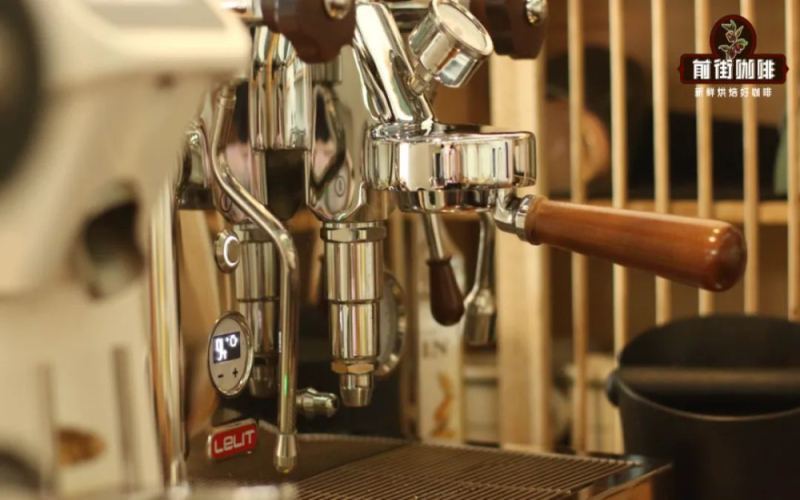
Home Espresso Machine Maintenance Guide: Daily Cleaning, Deep Descaling, and Group Head Gasket Replacement Tips
Many coffee enthusiasts have added espresso machines to their homes, but due to a lack of knowledge about cleaning and maintenance, problems such as weakened steam, uneven water flow, and even portafilter leaks begin to appear after the machine has been used for a while. This article systematically organizes maintenance methods for home espresso machines: from the routine cleaning of the steam wand and shower screen after each brew, to using a blind basket to backflush and remove internal residue before shutting down, and then to regularly using specialized cleaning powder for deep treatment of the steam wand, shower screen, and portafilter basket. The article also explains in detail the steps for replacing the brew head gasket after it ages, and reminds readers that water needs to be filtered to prevent scale from damaging the boiler. The article involves practical experience with the machine models used in Front Street Coffee stores, and is suitable for coffee enthusiasts to follow and implement. [more…]
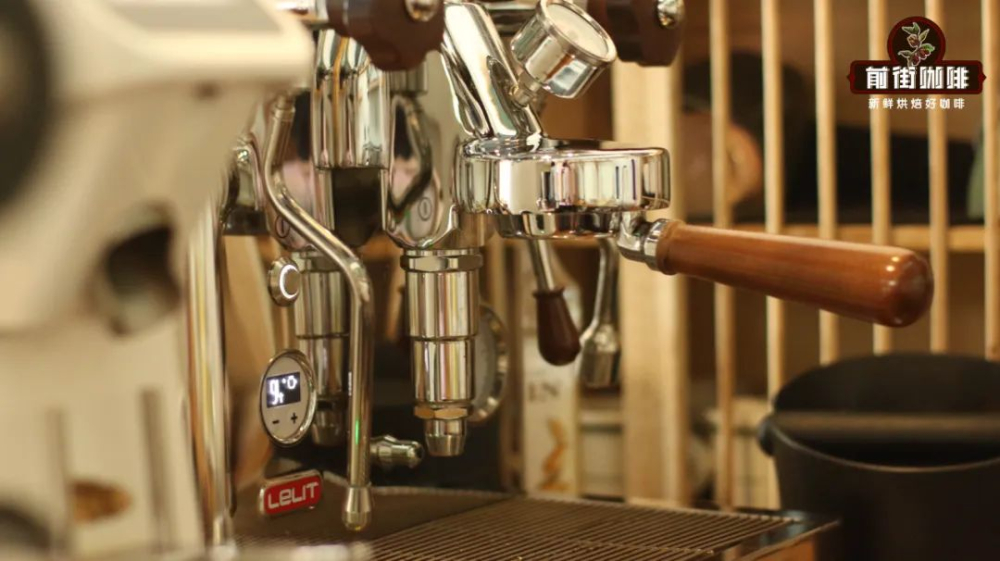
Coffee Machine Maintenance | How Should Coffee Beginners Clean and Maintain a Home Semi-Automatic Espresso Machine? How to Replace the Gasket on an Espresso Machine?
For professional coffee knowledge exchange and more coffee bean information, please follow Coffee Studio (WeChat official account: cafe_style). For more specialty coffee beans, please add our private WeChat: Front Street Coffee (FrontStreet Coffee), WeChat ID: qjcoffeex. With the rise of specialty coffee culture [more…]
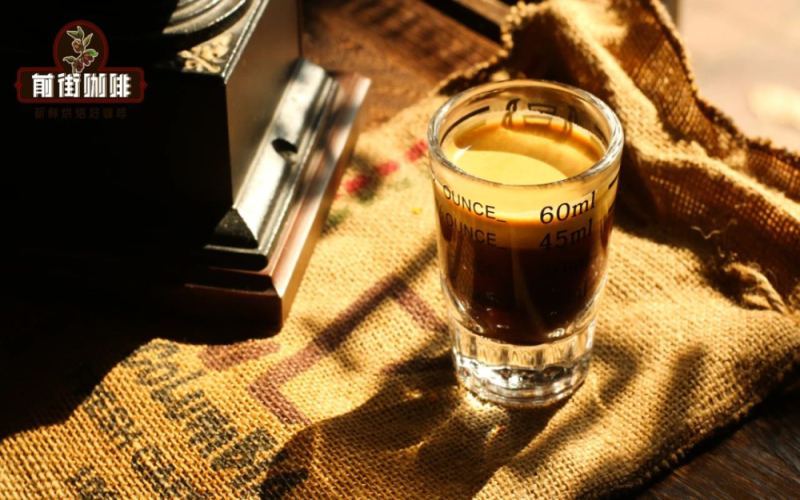
A Complete Guide to Semi-Automatic Espresso Machine Cleaning and Maintenance: Step-by-Step Instructions and Coffee Bean Selection Advice
The semi-automatic espresso machine is the core equipment for a café's operation, and its service life depends both on its initial quality and on careful daily maintenance. A qualified barista must not only be able to extract full-flavored espresso, but also understand how to properly clean and maintain the machine. This article systematically outlines the daily and periodic cleaning procedures for semi-automatic espresso machines, covering key steps such as wiping the exterior, flushing the dispersion screen, deep cleaning the portafilter, and backflushing, while also offering specific recommendations for espresso bean selection, helping you consistently produce stable, great-tasting coffee while keeping your equipment in top condition. [more…]
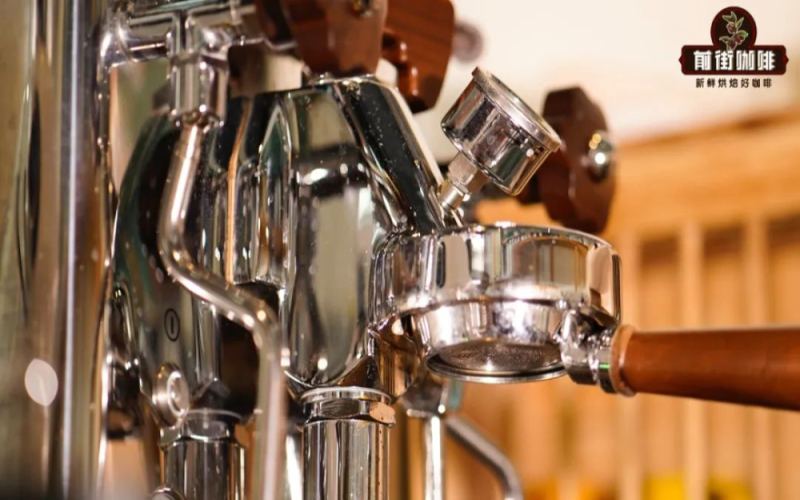
Daily Maintenance Guide for Espresso Machines: How to Properly Clean the Brew Head Shower Screen and Steam Wand
If a coffee machine lacks maintenance for a long time, extraction quality will gradually decline and may even cause malfunctions. This article takes the small espresso machine used in Front Street stores as an example to systematically explain the complete process of daily cleaning and deep maintenance for home coffee machines. The content covers key steps such as simple rinsing of the brew head dispersion screen and blind basket backflushing, wiping the steam wand surface and soaking the tip for descaling, and deodorizing the portafilter spout area. The article explains in detail the amount of special cleaning powder to use, control of backflush time and number of cycles, and precautions to avoid damaging the pressure relief valve. No matter what model is used, this method is basically universal, helping coffee enthusiasts maintain their machines at low cost and reduce the risk of needing repairs. [more…]
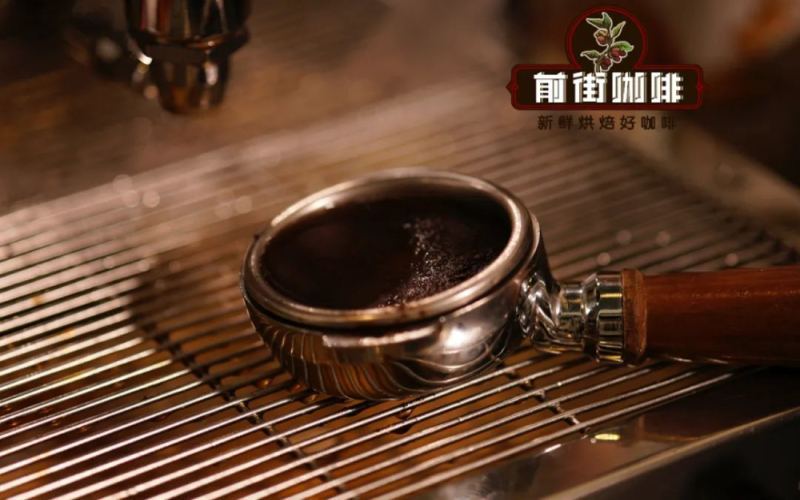
After espresso extraction, water pools in the portafilter basket? Analyzing the relationship between the basket, dispersion screen, and parameter adjustments
Many espresso enthusiasts have encountered this situation: after extraction, you remove the portafilter and find the puck wet and soft, unable to hold its shape, with a pool of water still sitting at the bottom of the basket. This is clearly not an ideal extraction state. Is the problem with the basket or the dispersion screen, or do the extraction parameters need adjustment? This article will analyze the possible causes of water accumulation one by one from the perspectives of grind size, coffee bean freshness, dose matching, group head cleanliness, and machine pressure, and provide corresponding solutions. The article will also share Front Street Coffee's dose control experience from daily dialing-in to help you find the root of the problem and return espresso extraction to a dry, intact puck state. [more…]
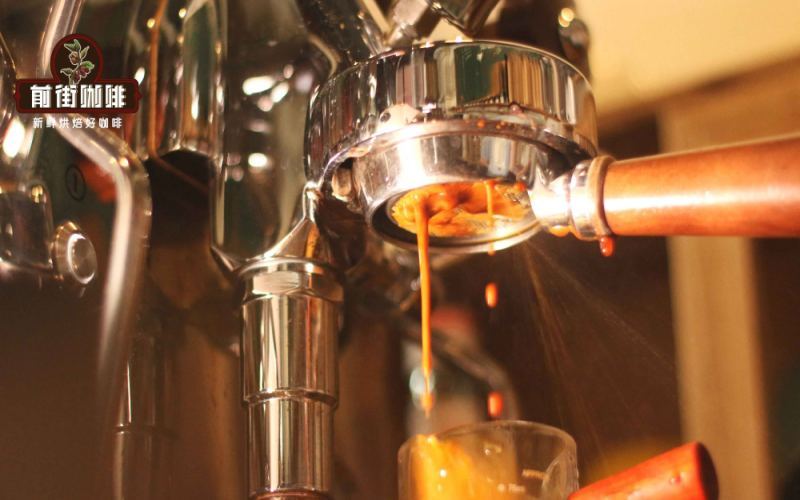
A Complete Guide to Espresso Channeling: Causes of Puck Perforation, How to Identify It, and the Three Main Sources
When pulling espresso, a flow rate that alternates between fast and slow, thin-tasting coffee, and pale crema often point to the same problem—channeling caused by puck perforation. This article starts with the symptoms, explains in detail how to identify perforation with the help of a bottomless portafilter, and breaks down the three main causes one by one: uneven distribution, insufficient dose, and a clogged shower screen. It also offers targeted solutions to help you maintain consistent extraction quality in your daily output. [more…]
Extracting Espresso Problems
In making espresso, some seemingly unimportant details are often overlooked, yet they can gradually affect the taste of the coffee. Today, Front Street Coffee will talk about those details that are often forgotten—count how many you've missed. - Forgetting to flush water before attaching the portafilter. If there is a long interval between this espresso extraction and the last one, [more…]
Espresso Extraction Guide: A Complete Analysis of Standard Yield, Parameter Settings, and Common Issues
Espresso is the soul base of fancy coffee drinks like mocha, cappuccino, and latte, but exactly how many milliliters should a proper shot of espresso be? And what parameter standards should be followed during extraction? In this article, Front Street Coffee will systematically sort out the definition and technical specifications of espresso, analyze the reasons behind the evolution of measurement from milliliters to grams, and provide cause analysis and solutions for common phenomena such as under-extraction, over-extraction, uneven flow, clumped crema, and tiger-striped crema. At the same time, we will also share how to choose beans suitable for making espresso, helping coffee lovers replicate coffee-shop-level rich flavor at home. [more…]
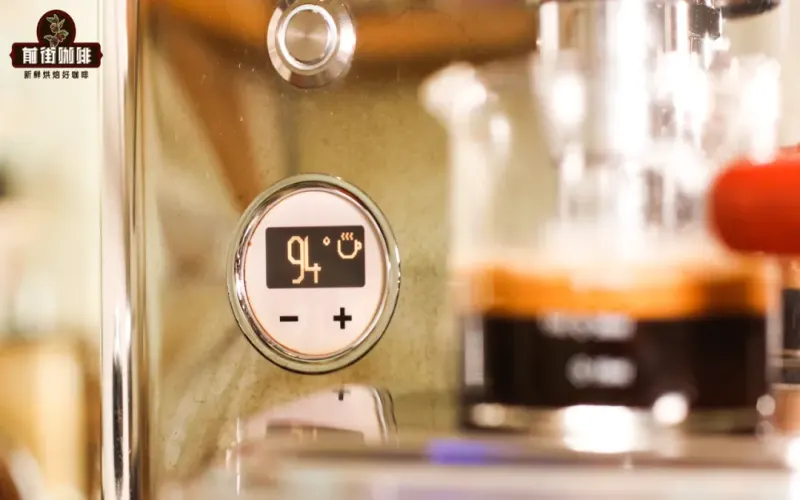
What Temperature Should You Set for Espresso Extraction? Analyzing the Impact of Water Temperature on Flow Rate, Crema, and Flavor
When pulling espresso, what temperature should the water actually be set to? Starting from Front Street's hands-on experience, this article systematically sorts out the specific effects of water temperature on extraction efficiency, the flow rate of the coffee liquid, and the richness of the crema, and combines the differences in dose and ratio between espresso and Americano to explain why the preferred water temperature ranges for the two are not the same. The article also introduces a practical approach: fix the water temperature within a reasonable range, and instead adapt by adjusting the grind and liquid weight, so as to quickly and stably extract a delicious espresso. In addition, the article also gives specific explanations on the deviation between boiler water temperature and actual extraction water temperature, as well as how to respond when the interval between extractions is too long. [more…]
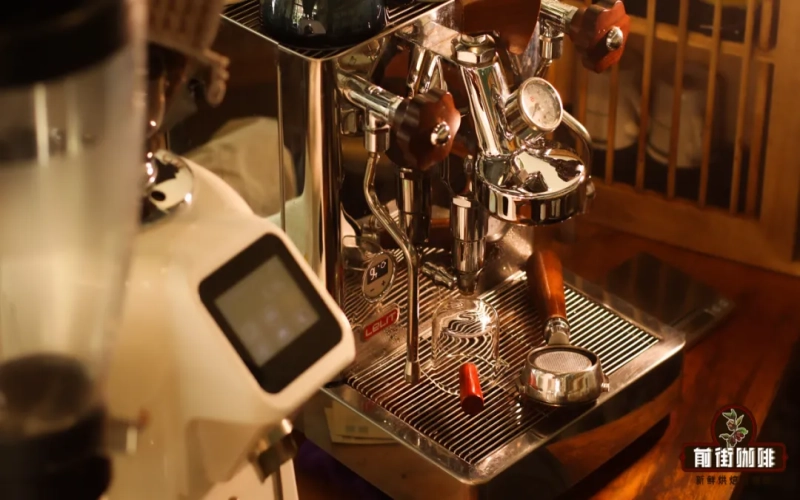
Home Espresso Machine Cleaning and Maintenance in Practice: A Guide to Descaling and Replacing Gaskets on the Steam Wand, Group Screen, Portafilter, and Plumbing
Many people buy an espresso machine without really knowing how to maintain it. If it isn't cleaned for a long time, the steam will weaken, the brew head will dispense water unevenly, the extraction pressure will fluctuate, and the portafilter may even leak after being locked in. Today, Front Street Coffee will talk about how to do daily maintenance and deep cleaning of home espresso machines, so the machine lasts longer and you save on unnecessary repair costs. The article will start with the daily cleaning of the steam wand, shower screen, and portafilter, then introduce deep maintenance methods such as soaking the steam wand, backflushing the pipes, replacing the gaskets, and maintaining the water tank filter, helping you take proper care of your espresso machine. [more…]
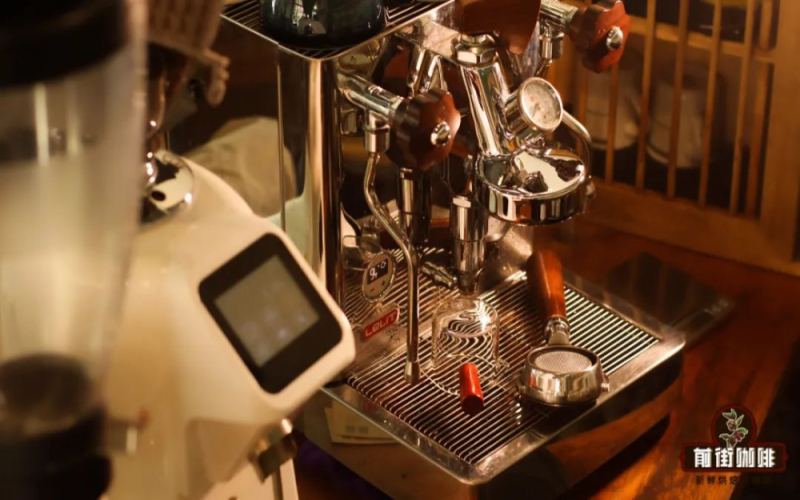
Home Espresso Machine Maintenance Guide: Daily and Deep Cleaning Methods for the Steam Wand, Dispersion Screen, and Plumbing
As coffee culture becomes increasingly widespread, more and more households are purchasing espresso machines, but most users are not industry professionals and know very little about equipment cleaning and maintenance. Failure to clean regularly over time can lead to weakened steam, uneven water flow from the group head, unstable extraction pressure, and even portafilter leaks. In this article, Front Street will systematically share daily maintenance and deep cleaning methods for coffee machines, covering routine cleaning of the steam wand, dispersion screen, and portafilter, as well as deep maintenance essentials such as backflushing the pipes, replacing gaskets, and maintaining the water tank filter—helping your coffee machine run stably for the long term and avoiding unnecessary repair costs. [more…]

Advantages of espresso blend beans | What should coffee beginners pay attention to when making Espresso? What are the steps for espresso extraction?
For more specialty coffee knowledge, please follow our WeChat official account: Front Street Coffee (FrontStreet Coffee). To extract a delicious espresso, you need suitable coffee beans, the right dose, ratio, time, grind size, water temperature, and pressure. Although it is currently very popular to use [more…]
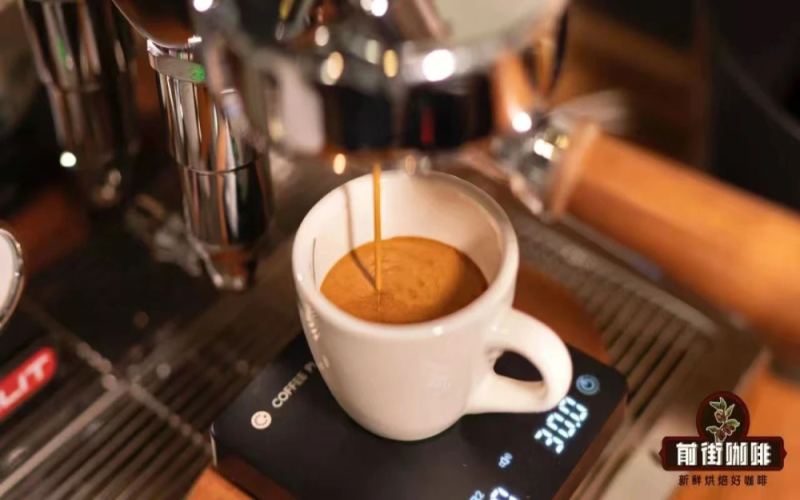
Complete Guide to Espresso Extraction: Blend Selection, Parameter Settings, and Key Operational Points Explained
To make a well-balanced espresso at home, having the right equipment alone is not enough—choosing the right coffee beans and mastering extraction details are equally crucial. This article starts with several espresso blends available at Front Street Coffee, introducing each one's flavor profile and target audience, while also providing a complete workflow from grinding and dosing, to distribution and tamping, to locking in the portafilter and extracting. It also explains how to adjust variables such as dose, ratio, and time, helping those new to espresso establish a stable and reproducible extraction method. [more…]
A Guide to Identifying Authentic Jamaican Blue Mountain Coffee: Certificates, Prices, and Flavor Profile Fully Explained
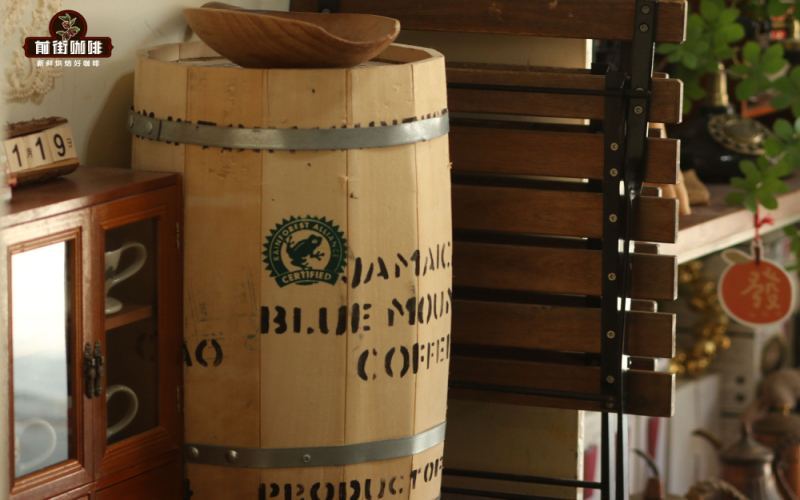
Blue Mountain coffee is hailed as the "Emperor of Coffee," but the market is flooded with a mix of genuine and fake products, making it hard to tell true from false. From the perspective of Front Street Coffee, this article systematically sorts out the historical origins of Jamaican Blue Mountain coffee, the certified authentic production regions, the green bean grading standards, the characteristics of the Typica variety, and the differences between the two processing methods of washed and natural. At the same time, it explains in detail how to identify genuine Blue Mountain through features such as the CIB certificate and wooden barrel packaging, and includes the roasting curve, cupping report, and brewing parameters of Front Street's washed Blue Mountain, helping coffee enthusiasts gain a comprehensive understanding of the true appearance and value of this top-tier coffee. [more…]
Jamaica Blue Mountain No. 1 Full Analysis: Designated Growing Area, CIB Grading, and Estate Brewing Flavor Details
When it comes to the world's famous coffees, Jamaica Blue Mountain is certainly among them, yet many people cannot explain why it commands such a high price. This article, brought to you by Front Street Coffee, will guide you through a systematic understanding of this "Emperor of Coffee": from its eighteenth-century cultivation origins and the four legally designated production regions certified by the government, to CIB's strict grading system and the characteristics of the Typica variety, and then to the differences between the washed and natural processing methods at Clifton Estate, along with green bean analysis, roasting records, cupping data, and a complete brewing guide, helping you understand the value of Blue Mountain coffee and learn to identify authentic Blue Mountain No. 1. [more…]
Sumatra Aceh Lake Tawar Longberry Dragon Fruit Coffee: Variety Characteristics, Wet-Hulled Processing, and Flavor Analysis
Sumatra Mandheling coffee from Indonesia is famous for its full body and low acidity, and within this producing region there is a rather special variety—Longberry. It comes from the Gayo highlands by Lake Tawar in Aceh Province, has an elongated bean shape, is a natural mutation of Typica, and its cultivation history can be traced back three centuries. This Sumatra·Lake Tawar Wet-Hulled Longberry offered by Front Street Coffee uses wet-hulled processing and presents flavor notes of spicy fruit, herbal spices, and clean acidity. This article will guide you through a comprehensive understanding of this rare long-shaped Mandheling by covering the regional terroir, the origin of the variety, the processing method, and Front Street's roasting and brewing recommendations. [more…]
First Attempt at Natural Process Jamaican Blue Mountain Coffee: Analyzing the Differences Between Natural and Washed Blue Mountain
Jamaican Blue Mountain coffee has always been renowned for its washed processing method, and its balanced flavor of acidity, sweetness, and bitterness along with its elegant aroma has captivated countless coffee enthusiasts. However, in the 2020 new crop season, the historic Clifton Estate introduced sun-dried Blue Mountain coffee beans for the first time, which undoubtedly broke the traditional impression of Blue Mountain coffee. Sun-dried and washed—two completely different processing methods—what kind of flavor changes will they bring to Blue Mountain coffee? This article will delve into the origin background, export standards, and variety characteristics of Blue Mountain coffee, and provide a detailed comparison of the specific differences between the washed Blue Mountain and sun-dried Blue Mountain listed by Front Street Coffee in terms of green beans, roasting, brewing, and flavor, giving you a comprehensive understanding of this novel creation. [more…]
How Do You Choose a Jamaican Blue Mountain Coffee Brand? A Full Analysis of Front Street Blue Mountain Beans' Pour-Over Parameters, Flavor Profile, and Processing Method
Blue Mountain coffee is hailed as the "beauty of the coffee world," but not every product labeled Blue Mountain is authentic Jamaican Blue Mountain. True Blue Mountain coffee comes from the Blue Mountains of eastern Jamaica, at elevations of 1,000 to 1,700 meters, and is known for its Typica variety, washed processing method, and rich, balanced flavor. Front Street Coffee offers Blue Mountain No. 1 coffee beans with a Jamaican Coffee Board certificate, Rainforest Alliance certification, and wooden barrel packaging, covering both washed and natural processing methods. This article will systematically analyze the flavor characteristics and brewing suggestions of Front Street Blue Mountain coffee, from the growing environment, variety traits, and processing methods to Kono dripper brewing parameters, helping coffee enthusiasts gain a comprehensive understanding of this specialty coffee. [more…]
A Full Analysis of Sumatra Coffee Origins: An In-Depth Look at Mandheling Flavor Characteristics and the Wet-Hulling Process
Sumatra Mandheling stands out in the coffee world with its rich, robust body. Even today, when fruity and floral profiles dominate, it remains an irreplaceable classic in the hearts of connoisseurs. This article will guide you through the growing environment of Sumatra coffee, the varietal origins of Mandheling and its unique wet-hulling process, analyze the flavor differences between Golden Mandheling and Lintong Mandheling, and share Front Street Coffee's brewing parameters and bean-resting recommendations, offering a comprehensive understanding of the world's fullest-bodied coffee. [more…]
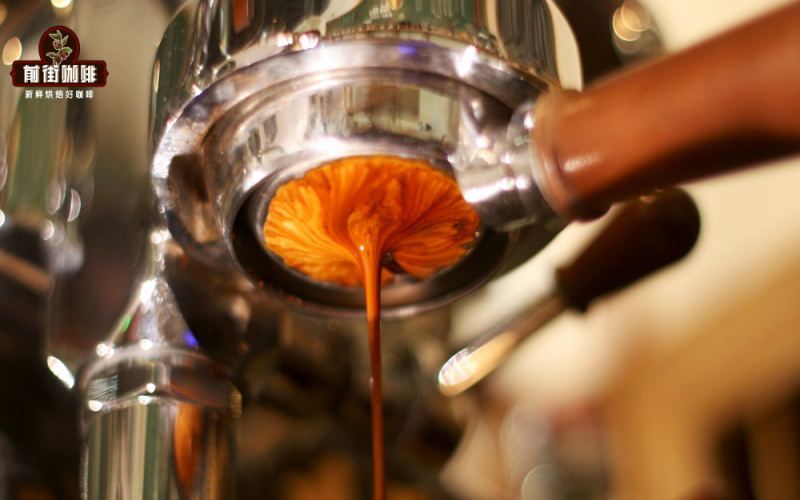
A Guide to Extracting Light-Roast Espresso Beans: Flavor Characteristics, Common Issues, and Bean Selection Tips for Home Espresso Machines
Can light-roast coffee beans hold their own in espresso? Building on Front Street's earlier tests, this article takes a closer look at the flavor performance and key operating points of making espresso with light-roasted beans. From the causes of sharp acidity and channeling to adjustment strategies for grind size, dose, and pressure, it breaks down the pitfalls in extraction one by one. At the same time, for home and office scenarios, it recommends coffee beans with different positioning, such as Front Street Classic Blend, Commercial Blend, PWN Golden Mandheling SOE, and Strawberry Candy Espresso, helping coffee lovers find the espresso that suits them among acidity, crema, and sweetness. [more…]